Vaccination Schedule for Puppies and Adult Dogs

 Add us on Google

See files for Dogs
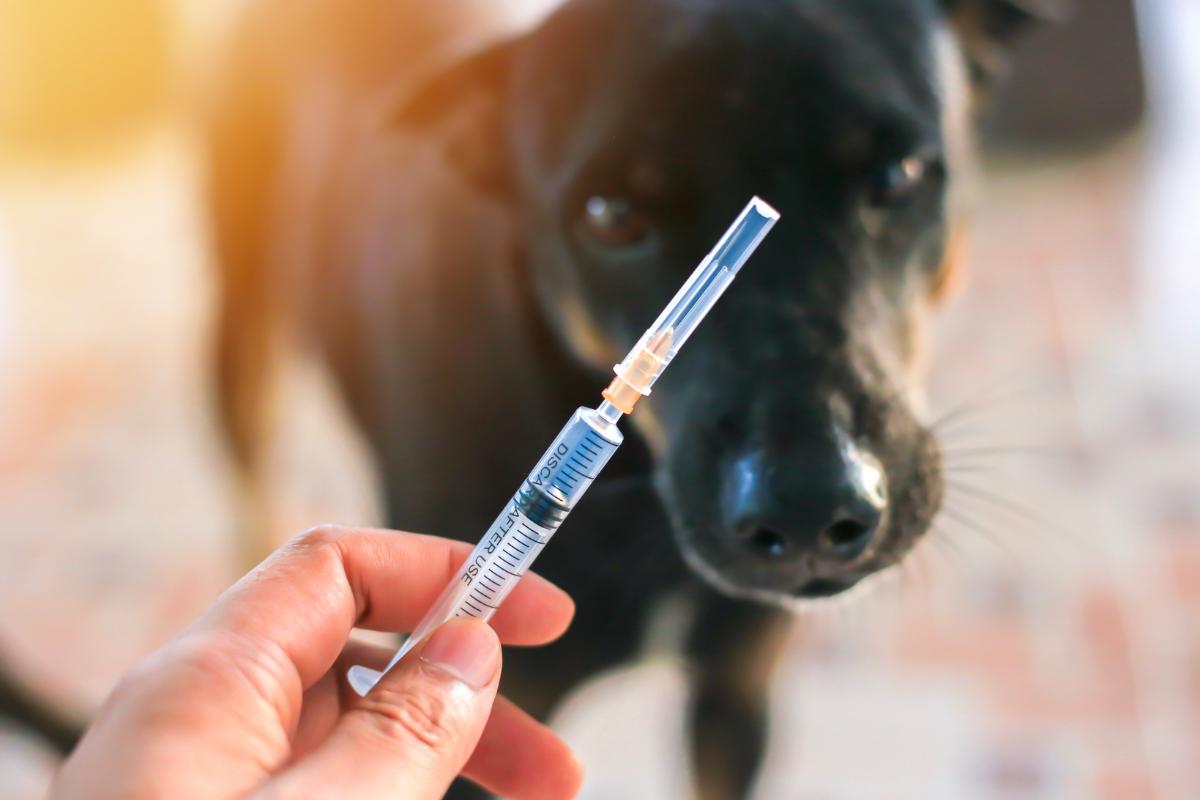
A vaccination schedule for dogs should begin when they are a puppy, but there are some cases where this has not occurred. Late is better than never, so an adult dog can start a vaccination schedule after they have developed. The reason for vaccinations is due to the various contagious diseases which can affect domestic canines. These diseases will vary depending on various factors, especially geographical location. These biological preparations provide immunity to particular diseases. They can are made with attenuated forms of pathogens, dead microbes, microbial toxins or surface proteins.
Unfortunately, dog vaccines don't always last the lifetime of the dog. Even if they have previously been vaccinated, the purpose of a vaccination schedule for puppies and dogs is to ensure they are protected throughout their lives from potentially fatal diseases. AnimalWised explains everything you need to know about organizing your dog's vaccine schedule.
Why do dogs need vaccinations?
Dogs are susceptible to various contagious diseases, but some are more prevalent than others. The natural immune system of a dog can fight off various pathologies, but some are so strong that they can be fatal. Others might be asymptomatic for one dog and life threatening to another. Dogs are also inquisitive animals. They will sniff and eat many things they shouldn't without thinking of the consequences.
Vaccination shots help protect dogs from various pathogens in their environment. They work by giving the dog an altered or inactivated form of the pathogen known as an antigen. When the dog's immune system is exposed to the antigen, it will create antibodies which will be able to fight it. Once this occurs, those antibodies can remain for a long time, offering better protection if they are exposed again in the future.
Another important factor with these canine diseases is contagion. There are many diseases which are highly contagious to other dogs. When we take the dog for a walk or go to a dog park, we want to encourage interactions with other dogs. It socializes them and allows them to have fun. It also creates an opportunity to spread disease, something that vaccinations prevent.
It is not only other dogs who are at risk from an infected dog. There are certain pathologies which are zoonotic, meaning they are diseases that can be spread from dogs to humans. Vaccination helps us to avoid such contagion, especially when we have dogs that lie in our beds, on our couches or even in our laps.
Puppies are particularly vulnerable since they have not yet had the opportunity to build natural immunity to various diseases. Their natural immune system is relatively weak which makes them more vulnerable. For this reason, they will need to be vaccinated early in their lives. This is something which will need to be determined by a veterinarian soon after they are born.
Unfortunately, not all vaccinations will last the dog's lifetime. For this reason, dogs will need to continue vaccinations as they develop. This is the purpose of booster shots and a vaccination schedule. A vaccination schedule should start when the dog is a puppy and continue throughout their lives at the discretion of the veterinarian. This schedule will change as the needs of the individual dog change.
In addition to physical health, vaccination also plays a crucial role in protecting a dog's mental well-being. An unvaccinated dog may suffer from stress and anxiety due to frequent illnesses, which can impact their overall quality of life. Ensuring that dogs are vaccinated not only keeps them healthy but also contributes to their happiness by reducing the risk of illness-related stress.
Vaccination schedule for puppies
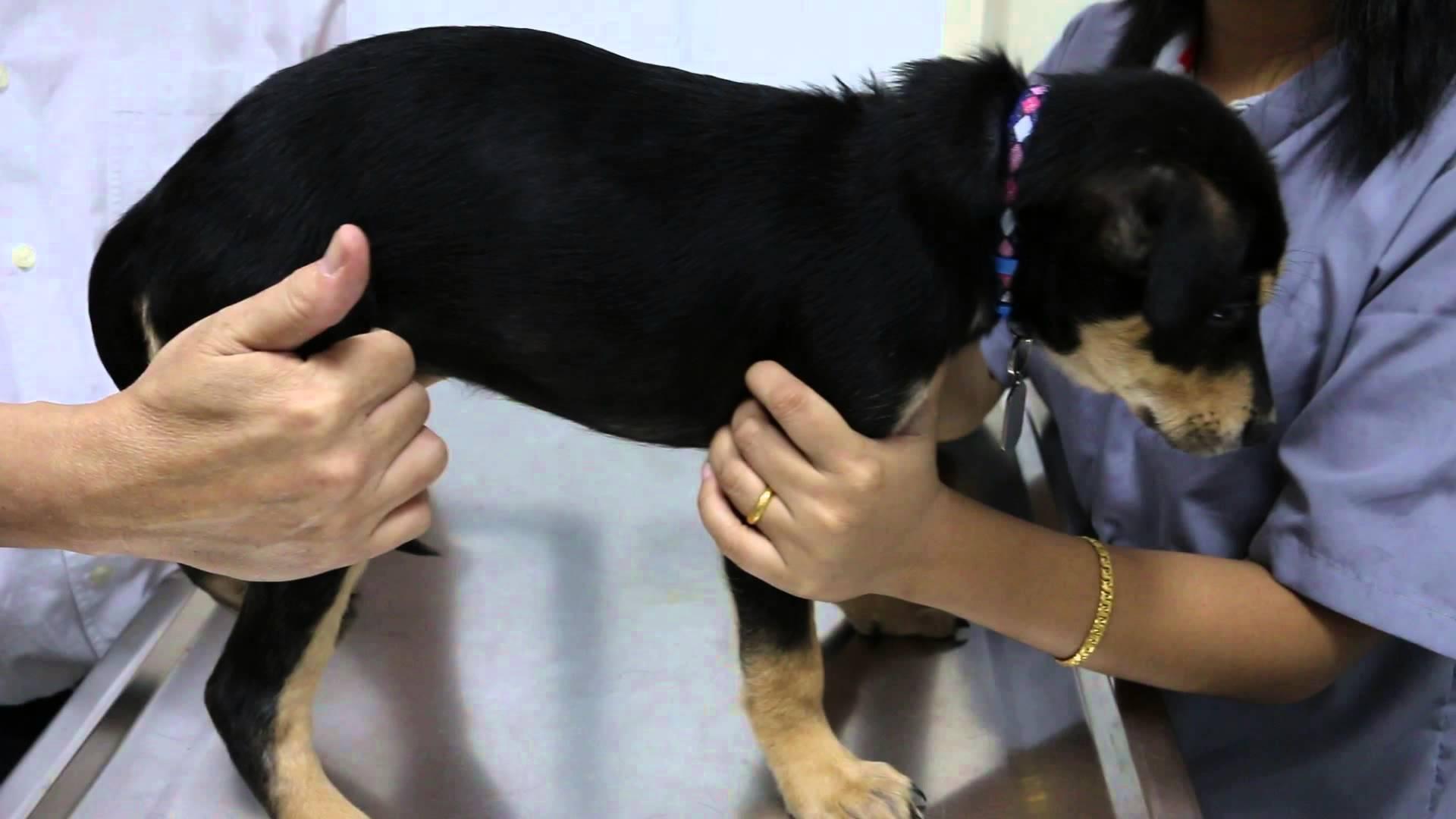
Puppies should start their vaccination schedule at a very young age, typically around six to eight weeks of age. The exact timing of the puppy shots may vary depending on the specific vaccination protocol recommended by your veterinarian and the type of vaccines used. This is why it is vital for the vet to establish the vaccination schedule for a dog.
Here's a general guideline for a typical puppy vaccination schedule according to their age:
- 6-8 weeks: at this age, puppies typically receive their first round of core vaccinations. Core vaccines include those that protect against common and potentially severe diseases like distemper, parvovirus and adenovirus. Puppies may also receive their first deworming treatment at this time. Learn more about the DHLPP vaccination for dogs in our related article.
- 10-12 weeks: puppies usually receive their second round of core vaccinations at this time. They may also receive additional vaccinations, such as those for leptospirosis, Bordetella (kennel cough) and Lyme disease, depending on regional risks and your veterinarian's recommendations. At this stage, it's important to monitor the puppy for any adverse reactions to the vaccinations.
- 14-16 weeks: puppies receive their third shot of core vaccinations to ensure they have built up strong immunity against these diseases. They may also receive any additional vaccines required based on local disease prevalence and recommendations. This is a critical time for building a solid foundation of immunity that will protect them as they grow.
- 16-20 weeks: rabies vaccination is typically administered at this age, depending on state and local regulations. Rabies vaccination may be given separately from other vaccines. Learn more about the rabies vaccination schedule for dogs, including whether it is mandatory.
- After 12-16 weeks: depending on your location and your dog's lifestyle, your veterinarian may recommend additional booster shots or vaccinations. Some vaccines, like those for Lyme disease in dogs or leptospirosis, require booster shots to maintain immunity. This ensures that the dog's immune system is reinforced and capable of responding to potential threats.
It's crucial to work closely with your veterinarian to create a customized vaccination schedule for your puppy based on their individual needs, lifestyle and local disease risks.
It's also beneficial to keep a detailed record of your puppy's vaccinations, as this can be useful for future vet visits or if you need to travel with your dog. This documentation serves as a helpful reference and ensures that you stay on track with your puppy's health care routine.

Vaccination schedule for adult dogs
There are two situations where your adult dog will have to have a vaccination schedule established. Either you have adopted a dog when they are already an adult or you never established a vaccination schedule when they were a puppy. In either case, it is never too late to start a vaccination schedule for dogs at any age, but there are certain things the veterinarian will need to consider. They include the following:
- Review medical records: if you adopt an adult dog, request and review the dog's medical records, including vaccination history. This information will help determine which shots are needed and when they should be administered. It also provides insights into any potential health issues the dog might have faced earlier.
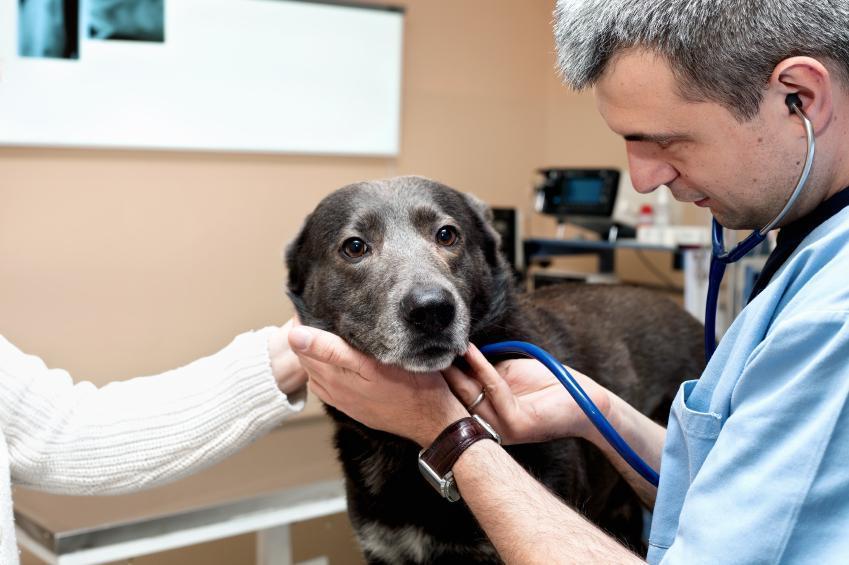
- Assess current health: your veterinarian should conduct a thorough health assessment of the adult dog. This includes evaluating their overall health, any existing medical conditions and potential exposure risks to certain diseases. This is especially important for rescue dogs or dogs where their medical history cannot be accessed. The vet might also conduct specific tests to ensure the dog is fit for vaccination.
- Core vaccinations: core vaccinations against common and severe diseases like distemper, parvovirus and adenovirus. They are typically recommended for all dogs. If there is uncertainty about the dog's vaccination history or if the dog hasn't been vaccinated in a long time, your veterinarian may recommend starting with a series of core vaccinations. This helps in establishing a robust baseline immunity.
- Tailored vaccination schedule: your veterinarian will create a customized vaccination plan based on the dog's age, medical history, lifestyle, and local disease risks. This plan may include booster shots for core vaccines or vaccinations for other diseases. The personalized approach ensures that the dog receives optimal protection against potential health threats.
- Rabies vaccination: rabies vaccination is typically required by law in most areas. If the dog's rabies vaccination is not up-to-date, your veterinarian will administer the rabies shot according to local regulations. This is crucial not only for the dog's safety but also to prevent any legal issues.
- Booster shots: depending on the dog's vaccination history and the type of vaccines used, booster shots may be necessary to ensure ongoing immunity. Your veterinarian will provide guidance on when and how often these boosters should be administered. Regular boosters help in maintaining the health and vitality of the dog.
- Preventive care: along with vaccinations, discuss other preventive care measures with your veterinarian, such as heartworm prevention, flea and tick control, and regular check-ups. Learn more with our article on why deworming your dog is necessary. These preventive measures are key to ensuring a long and healthy life for your pet.
As with a puppy, you will need to follow your veterinarian's guidelines closely when vaccinating an adult dog. If you do not have much information on your dog's medical history, this will be especially important.
Additionally, maintaining a healthy lifestyle, including a balanced diet and regular exercise, can further enhance the effectiveness of vaccinations by supporting the dog's immune system. This holistic approach ensures that your adult dog remains resilient against various diseases.
What vaccinations do puppies and adult dogs need?
Vaccination schedules for puppies and adult dogs can vary based on factors like age, lifestyle and regional disease risks. However, there are core vaccinations that are commonly recommended for most dogs, as well as additional vaccines that may be considered based on individual circumstances. Here's a list of some common vaccinations for dogs:
Core Vaccinations
- Rabies vaccine: protects against rabies, a deadly zoonotic disease. Typically required by law. Rabies is not only a threat to dogs but also poses a significant risk to humans, making vaccination crucial.
- Distemper vaccine (DHPP, DHLPP or DAPP): protects against several diseases, including canine distemper, canine parvovirus, adenovirus, and parainfluenza. These diseases can be severe and sometimes fatal, so vaccination is essential for prevention.
- Canine parvovirus vaccine (CPV): provides specific protection against parvovirus, a highly contagious and severe disease. This virus can spread rapidly, especially in places with multiple dogs, emphasizing the importance of vaccination for community health.
- Canine adenovirus vaccine: protects against adenovirus types 1 and 2, which can cause respiratory and liver diseases. Vaccination helps prevent the spread of these conditions in densely populated canine environments.
- Canine parainfluenza vaccine: provides protection against parainfluenza, a component of kennel cough. This is especially recommended for dogs that frequent kennels, dog parks, or grooming facilities.
- Bordetella vaccine (kennel cough): recommended for dogs in group settings, boarding or grooming environments to prevent kennel cough. Options include injectable and intranasal vaccines. Learn more about the causes and treatment of kennel cough in dogs. Given the high transmissibility of kennel cough, vaccination is often advised for dogs in social settings.
- Leptospirosis vaccine: protects against leptospirosis, a bacterial disease that can affect both dogs and humans. Recommended for dogs at risk of exposure to contaminated water or wildlife. Leptospirosis can lead to severe health issues, making its prevention via vaccination particularly important.
Non-core vaccinations (considered based on risk factors)
- Lyme disease vaccine: protects against Lyme disease, transmitted by ticks. Recommended for dogs in areas with a high prevalence of Lyme disease and various different species of ticks. Lyme disease can cause long-term health issues, so vaccination is vital in high-risk areas.
- Canine influenza vaccine: protects against canine influenza virus (CIV). Recommended for dogs in areas with CIV outbreaks or for dogs at higher risk of exposure. Canine influenza is highly contagious, and vaccination is a proactive measure to control its spread.
Puppy-Specific Vaccinations
- Puppy Series: puppies receive a series of vaccinations for core diseases (DHPP or DAPP) starting at around 6 to 8 weeks old, with boosters given every 3-4 weeks until about 16-20 weeks old. This series is crucial in building a strong immune foundation.
- Canine coronavirus vaccine (CCV): Sometimes included in puppy vaccines, though not considered core. This vaccine is often administered if there is a higher risk of exposure.
Although your veterinarian will administer vaccinations in the clinic, you can check out our related article on how to give a dog a shot under the skin to know what to expect.
In addition to core and optional vaccines, regular vet check-ups are essential in ensuring your dog remains healthy. During these visits, your vet can monitor your dog's health and make adjustments to their vaccination schedule as needed, ensuring they are protected against emerging health threats.
Polyvalent vaccines for dogs
Polyvalent vaccines are those in which a single inoculation immunizes against two or more diseases. Some vaccines protect against two diseases (e.g. parvo-distemper), but those that protect against five, six and eight pathogens are more common.
The most commonly used polyvalent vaccines are:
- Pentavalent vaccines, which immunize against distemper, adenovirus 1 and 2 (hepatitis and kennel cough), parvovirus and parainfluenza.
- Hexavalent vaccines, which immunize against distemper, adenovirus 1 and 2 (hepatitis and kennel cough) and two strains that cause leptospirosis and parvovirus.
- Octovalent vaccines, which immunize against distemper, adenovirus 1 and 2 (hepatitis and kennel cough) and two strains that cause leptospirosis, parvovirus, parainfluenza and coronavirus.
Although the leptospirosis vaccine is included in the hexavalent and octovalent vaccines, the current tendency is to administer it in a separate vaccine for greater efficiency.
Polyvalent vaccines are highly beneficial as they reduce the number of injections a dog needs, thereby minimizing stress for both the pet and the owner. Additionally, they help ensure compliance with vaccination schedules by simplifying the process.
Learn more about the safety of vaccines with our article on whether you can bathe a dog after vaccination.

Adverse effects of vaccines
Vaccinations for dogs are generally safe and highly effective at preventing serious diseases. However, like any medical intervention, vaccines can have potential adverse effects. It's essential to be aware of these adverse effects and discuss them with your veterinarian, but it's also crucial to understand that the benefits of vaccination far outweigh the risks.
Common and usually mild adverse effects of dog vaccinations may include:
- Localized swelling or soreness: a small lump or mild soreness at the injection site is common and usually resolves on its own within a few days. We will need to ensure this is a reaction and not another type of lump in dogs.
- Mild fever or lethargy: some dogs may experience a mild fever or temporary lethargy after vaccination, which typically lasts for a day or two. Monitoring the dog's condition during this time is advised to ensure they recover promptly.
- Allergic reactions: dogs can have allergic reactions to vaccines, but they are rare. Signs of a severe allergic reaction may include hives, difficulty breathing, vomiting or diarrhea. Although these reactions are very rare, they require immediate veterinary attention, especially if the dog enters anaphylactic shock. Being prepared to act swiftly in such cases can prevent more severe health issues.
- Vaccine-associated sarcoma (VAS): extremely rare, VAS is a type of cancerous tumor that may develop at the injection site, primarily associated with certain vaccines. It's important to note that the risk of VAS is exceedingly low and the benefits of vaccination far outweigh this risk. Regular monitoring of the injection site can help in early detection and treatment.
It's important to discuss any concerns about vaccine adverse effects with your veterinarian. They can help you make informed decisions about your puppy or adult dog's vaccination schedule. In some cases, your veterinarian may recommend splitting or spacing out vaccines to minimize the risk of adverse reactions, particularly in dogs with a history of vaccine-related issues.
Keep in mind that the vast majority of dogs do not experience serious adverse effects from vaccinations, and vaccines are a critical tool in preventing potentially life-threatening diseases. Your veterinarian will work with you to create a vaccination plan that considers your dog's individual needs and risks while providing essential protection against infectious diseases. Regular check-ups and open communication with your veterinarian are key to maintaining your dog's health and well-being.
In addition, maintaining a healthy lifestyle, including proper nutrition and regular exercise, can further enhance the effectiveness of vaccinations by supporting your dog's overall immune system. A strong immune system can help mitigate the impact of any potential adverse effects from vaccines.
This article is purely informative. AnimalWised does not have the authority to prescribe any veterinary treatment or create a diagnosis. We invite you to take your pet to the veterinarian if they are suffering from any condition or pain.
If you want to read similar articles to Vaccination Schedule for Puppies and Adult Dogs, we recommend you visit our Vaccination category.