Animals With Scales - Full List

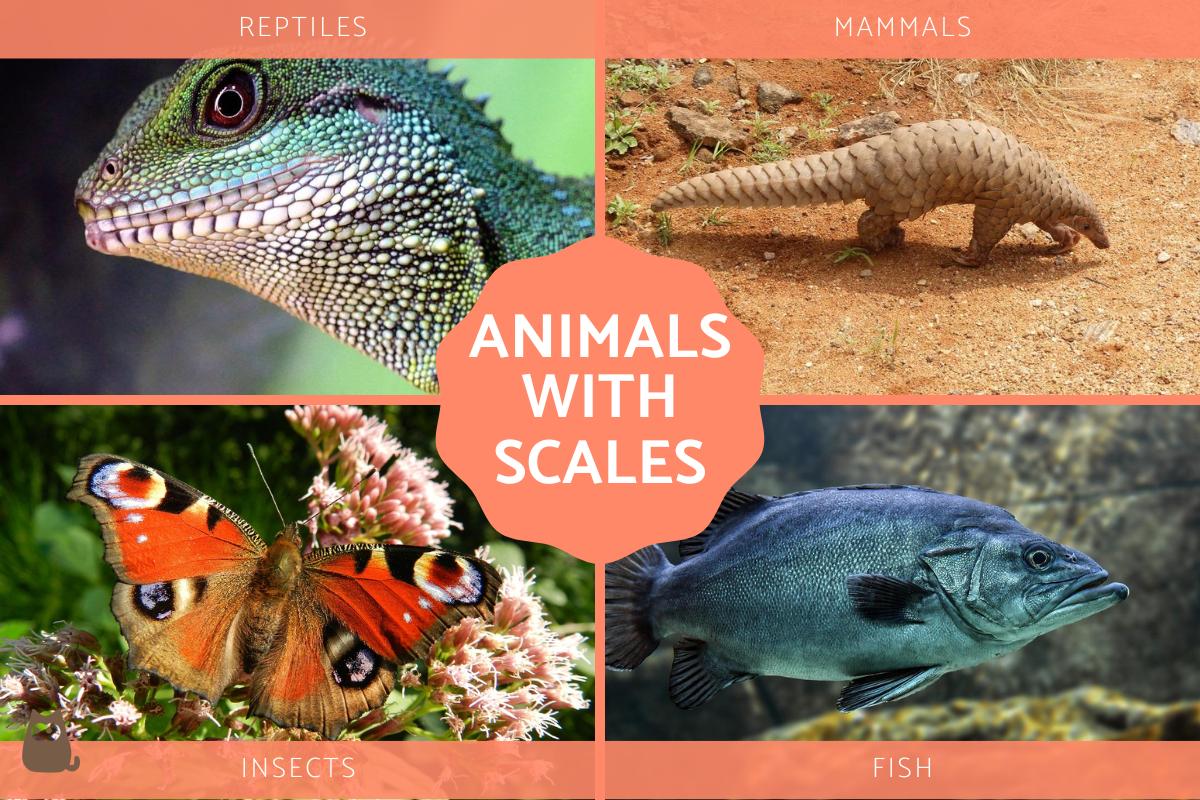
Animals with scales, hair and/or feathers have evolved in such a way that these features aid in protecting them and helping them maneuver among their environment. For example, animals with scales use this characteristic feature to help them move comfortably and safely, as well as protect against moisture loss in the body.
For more about all the different types of animals with scales, keep reading AnimalWised. Not only will we list examples of animals with scales, but we will also provide fun facts about each of them and show you photos of what they look like. Keep reading and discover our complete list of scaled animals.
- What are scales?
- Animals with scales
- Examples of animals with scales
- Great white shark
- Pangolin
- Snake
- Butterfly
- Crocodiles
- Woodpecker
- Iguana
- Steller’s sea eagle
- Pineapplefish
- Moths
What are scales?
So, what exactly is a scale? And why do some animals have scales? A scale is a rigid plate that grows on an animal’s skin and fulfills different functions, which vary depending on the animal to which it belongs.
Scales are made from different organic and inorganic compounds and tissues, such as dentin, vitrodentin, cosmina, ganoin, calcium salts, collagen, keratin and others. The shapes they adopt vary according to the different types of scaled animals. They can be circular, similar to diamonds, serrated, small, large, etc. In many species, scales overlap like shingles, forming a protective surface while still allowing the body to bend.
Fish, reptiles, arthropods, birds and even mammals can all have scales. For more about what are some examples of animals that have scales, keep reading below.
Animals with scales
Depending on the species to which they belong, the characteristics of the animal’s scales will vary:
Fish with scales
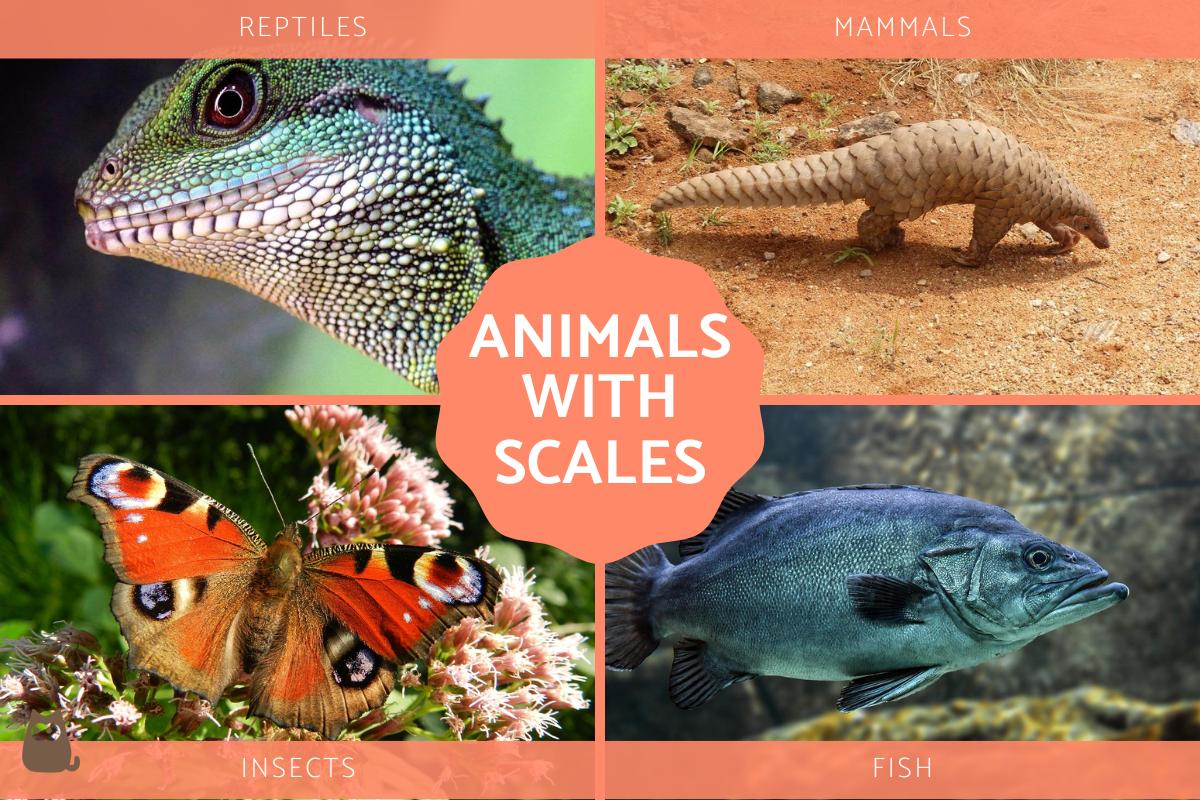
The majority of fish have dermal scales formed in the mesoderm, one of the cell layers that make up embryos. Fish scales function to resist strong water currents and serve as protection. Fish scales cover the entire body and are flexible rather than hard, allowing them to move more easily. However, not all fish have scales. For example, clingfishes from the family Gobiesocidae do not. On many fish, the scales overlap and help the body move smoothly through the water.
Reptiles with scales
You may have seen the skin of reptiles and wondered if they had scales or if they simply had rough skin. All reptiles have epidermal scales that cover their entire body. Reptile scales are more rigid than those of fish, as they also have bony scales below the epidermis, known as osteoderms. Thanks to this characteristic, a reptile's skin is harder and more resistant. Scales also help reduce water loss, which is useful for reptiles living in dry habitats. All reptiles are scaled animals.
Birds with scales
This may come as a surprise to you, but birds are also scaled animals. It is just that their scales don’t cover the entire body. A bird’s main characteristic is its feathers, which cover the entire body except for the legs and beak. A bird’s legs are covered by keratin-formed scales. Depending on the species, these scales can be found on the toes and tarsals, or they can extend to the ankle joint, whereby the whole leg is covered with scales. Their patterns and size vary from one bird species to another.
Mammals with scales
There are few species of mammals that have scales, and those that do have terrestrial scales. Among the mammals with scales, the best known are pangolins (genus Manis), which are covered by large, hard scales. In addition, musky rat-kangaroos (Hypsiprymnodon moschatus) and scaly-tailed squirrels (family Anomaluridae) have scales on their tails. In these mammals, scales are limited to certain parts of the body rather than covering them from head to toe.
Arthropods with scales
Although they may seem imperceptible to the naked eye, arthropods of the order Lepidoptera (such as butterflies and moths) have small scales covering their wings. These scales give their wings their color, help insulate them from the cold, and regulate their exposure to the sun. The scales lie in overlapping rows, creating the distinctive patterns seen on many wings.
Lastly, you may be wondering, do amphibians have scales? The answer is no; the main characteristic of amphibian skin is its viscous texture.

Examples of animals with scales
Below we show you our complete list of 10 animals with scales pictures:
1. Great white shark
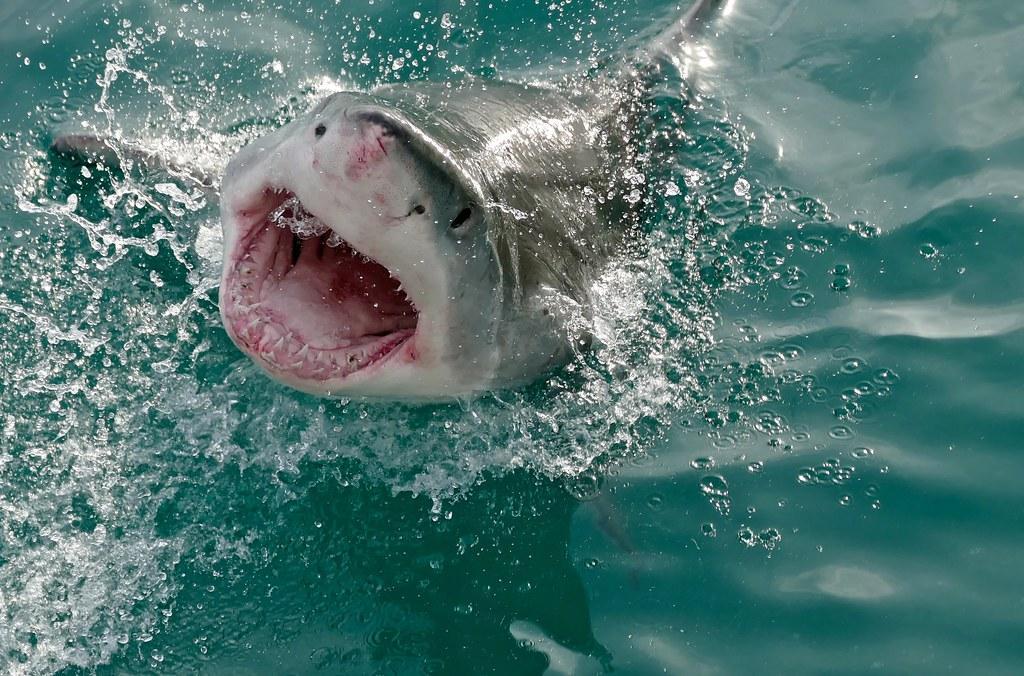
The great white shark (Carcharodon carcharias) is first on our list of animals with scales and fins. The great white shark is one of the most popular shark species in the world, thanks in part to the famous movie ‘Jaws’. This shark is characterized by its large size and powerful jaw, which contains two rows of serrated, sharp teeth. The great white shark has hard scales known as dermal denticles, which serve as excellent protection against its harsh environment. These tiny structures also help the shark move efficiently through the water. Its fins are located along the sides of its body, and its distinctive fin protrudes from its back.
Fun fact: great white sharks are at the top of the food chain, and if they fall prey to something or someone, it is most likely to be humans.

2. Pangolin
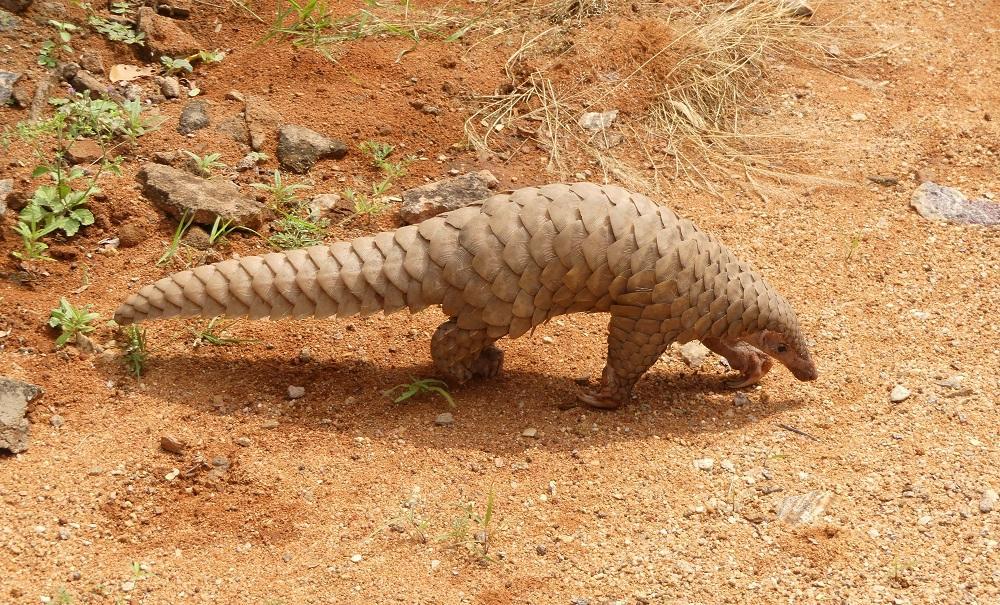
Pangolins are one of several species of scaled animals that belong to the order Pholidota. These desert animals with scales can be found in Africa and Asia. Pangolins are insectivorous animals that feed on ants and termites, which they trap with their sticky tongues, just like anteaters. You can see a photo of these mammals with scales below.
Pangolins are characterized by thick and hard scales that cover almost all of the body, except for the snout, legs and abdomen. These scales are composed of keratin and serve as a form of protection, especially when they feel threatened and roll their entire bodies into a ball. Their strong claws also help them open nests in search of food.
Fun fact: pangolins can release a noxious-smelling acid to scare away predators.
For more about insectivores, we recommend reading our article where we list all animals that eat insects.

3. Snake
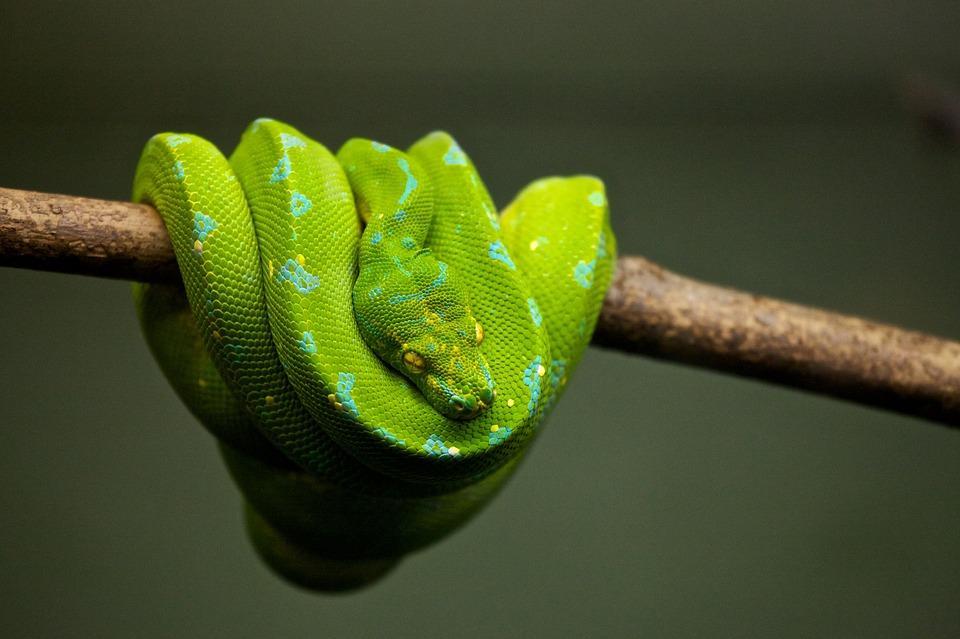
Snakes belong to the group Ophidia. They are characterized by an elongated body without legs, a forked tongue, a flattened head (in most species) and large eyes. There are almost 3,500 species of snakes distributed around the world, except for the Arctic and Antarctic.
Snakes are completely covered by scales, which can differ in coloration depending on their environment. They use this scale coloration as a way of camouflaging themselves from threats. Additionally, these hard scales help them move on hard ground. The broad scales on the underside grip surfaces as the snake’s muscles push its body forward.
Fun fact: snakes smell with their tongues.
For more about these fascinating animals, we recommend reading our article where we list the 10 largest snakes in the world.

4. Butterfly
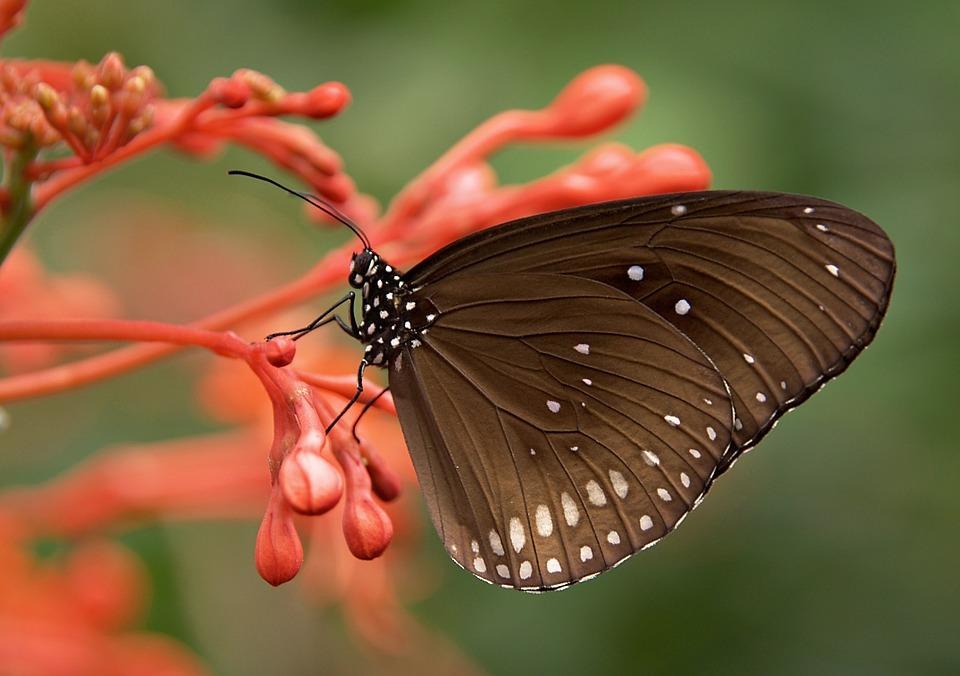
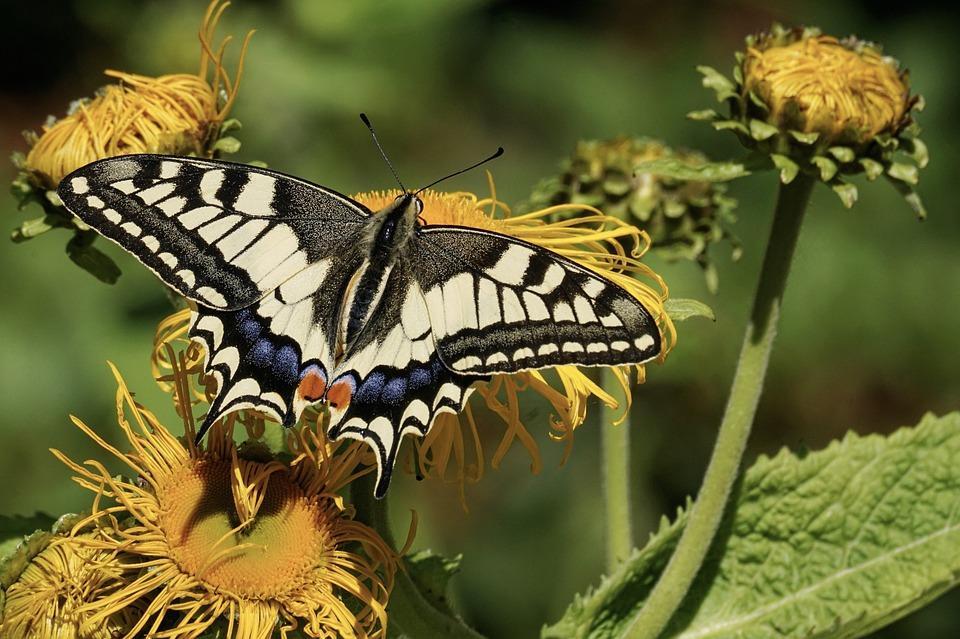
Butterflies belong to the order Lepidoptera and are incredibly popular for their variety of wing color combinations. What very few people know is that these delicate wings are formed by small and thin plates. For this reason, butterflies are included in the list of animals with scales on their wings.
Each scale measures one thousandth of a millimeter, and all serve various functions, which may include providing characteristic coloration by reflecting light, regulating temperature, serving as a mating element and/or providing camouflage from predators. The arrangement of the scales helps create the patterns that make each species recognizable.
Fun fact: butterflies carry taste receptors on their feet.
For more, we recommend reading our article where we discuss fascinating facts about butterflies.

5. Crocodiles
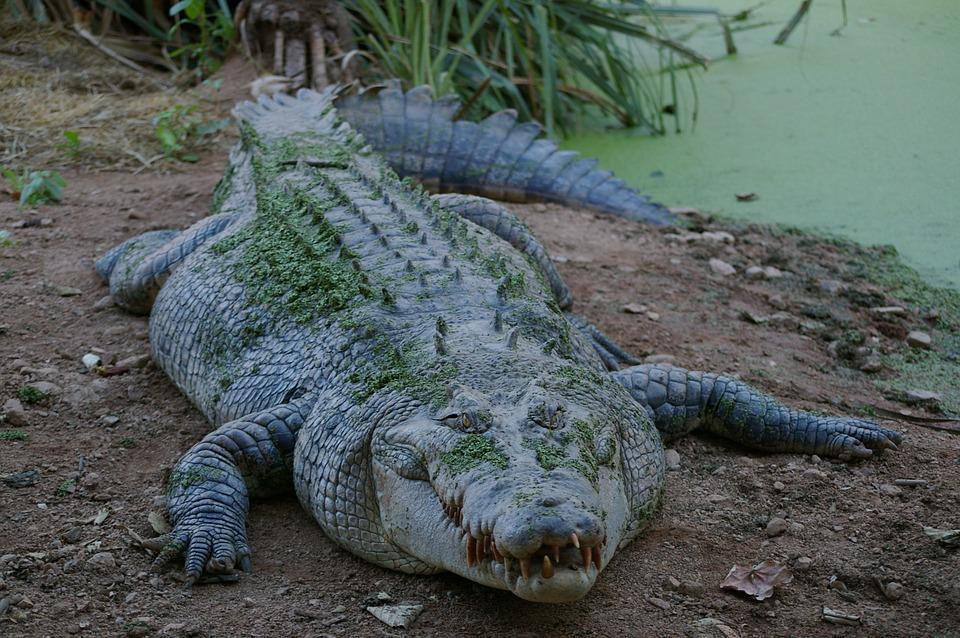
Crocodiles (Crocodylidae) are among the most common reptiles with scales and inhabit rivers in parts of America, Asia, Africa and Australia. These are some of the most fearsome and fascinating scaled animals.
Crocodile skin is covered with hard and rough scales, which help them accumulate heat during the day. When the temperature drops at night, crocodiles enter their aquatic environment and take advantage of this stored heat. The raised plates along their backs are especially noticeable in many species.
Fun fact: these land animals with scales don’t have sweat glands and release heat through their mouths.
For more about these ancient creatures, we recommend reading our article where we discuss the difference between alligators and crocodiles.

6. Woodpecker
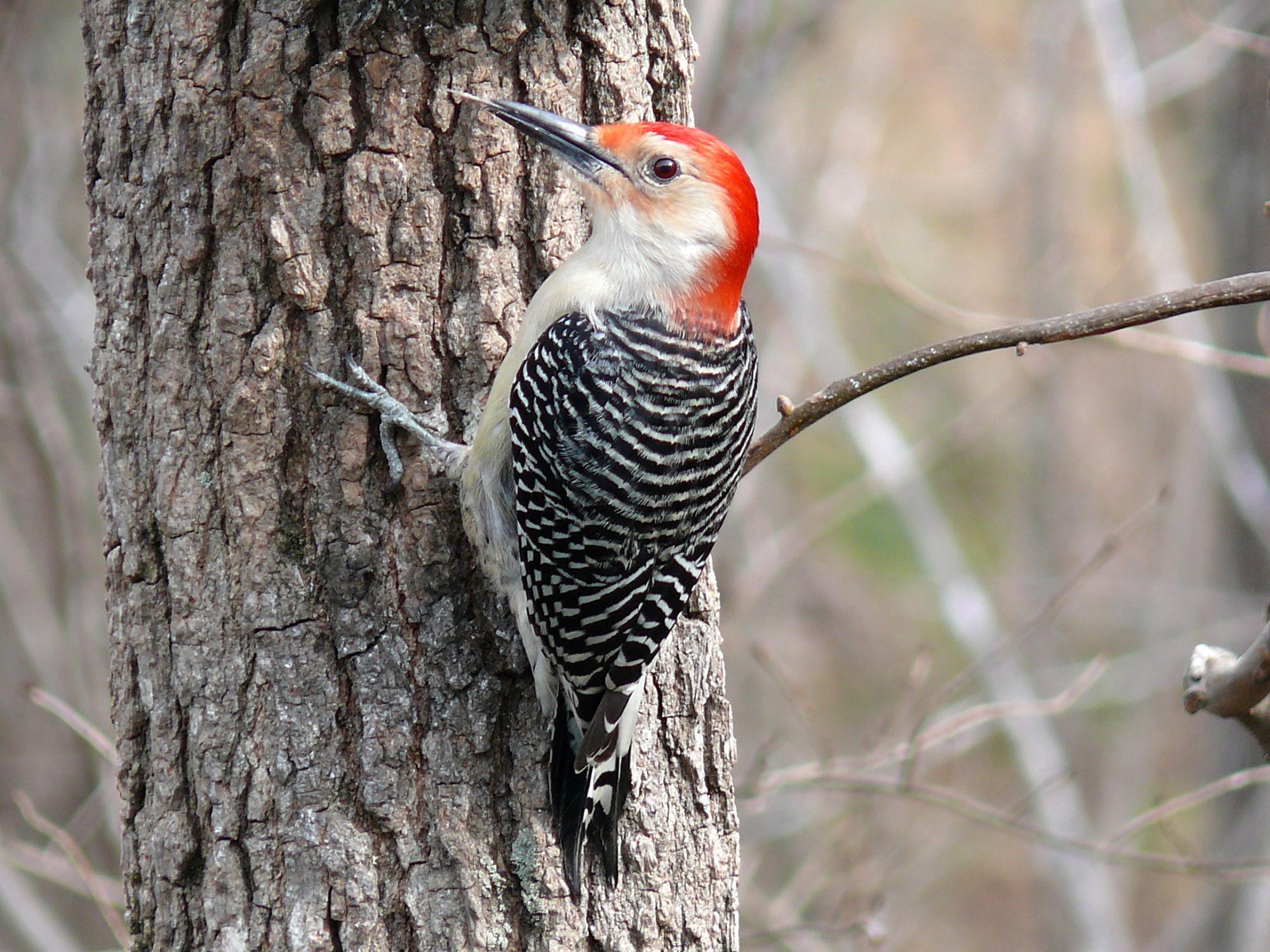
Under the name woodpecker, you can find several bird species in the order Piciformes. These birds can be found all over the world and are known for their characteristic beaks, which they use to drill holes into wood to feed. Like other birds, a woodpecker’s legs are covered in overlapping scales. These scales help protect the feet as the bird clings to tree trunks.
Fun fact: they have long, sticky tongues which they use to extract food from tree trunks.
For more, we suggest taking a look at our article where we discuss why do woodpeckers peck wood?

7. Iguana
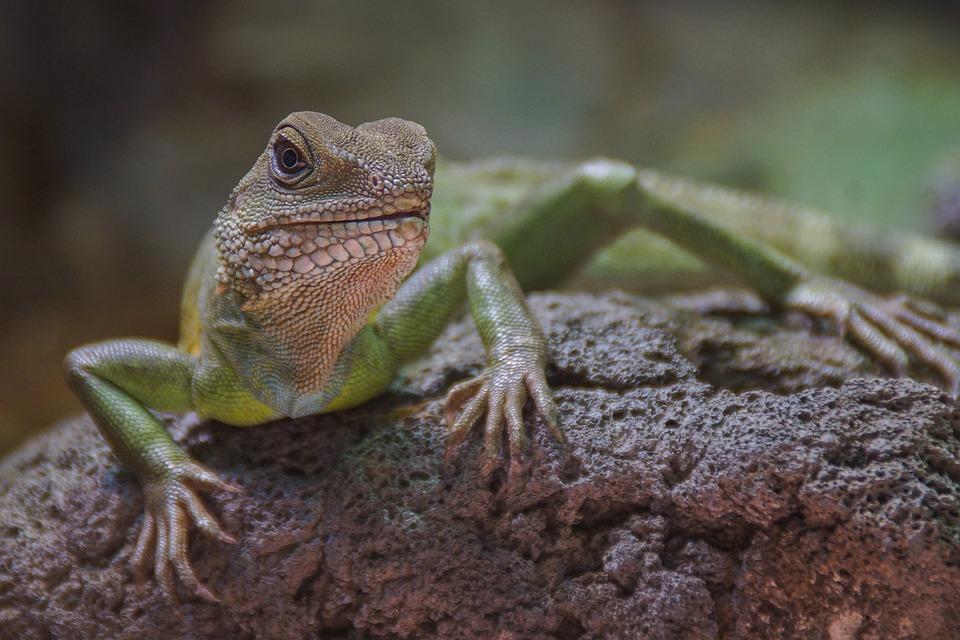
Iguanas are reptiles which belong to the Iguanidae family. Iguanas are one of the most common animals with scales in the world and are distributed throughout most of Latin America, including Central America and part of the Caribbean. Iguana skin can have varied coloration, from different shades of green to chestnut and gray.
All iguana species, despite varying in color, have scales. Iguana skin is covered with small, hard and rough scales. Additionally, they have scaled ridges and/or humps of different sizes on their backs, commonly known as tubercular scales. Like other reptiles, iguanas shed their skin as they grow.

8. Steller’s sea eagle
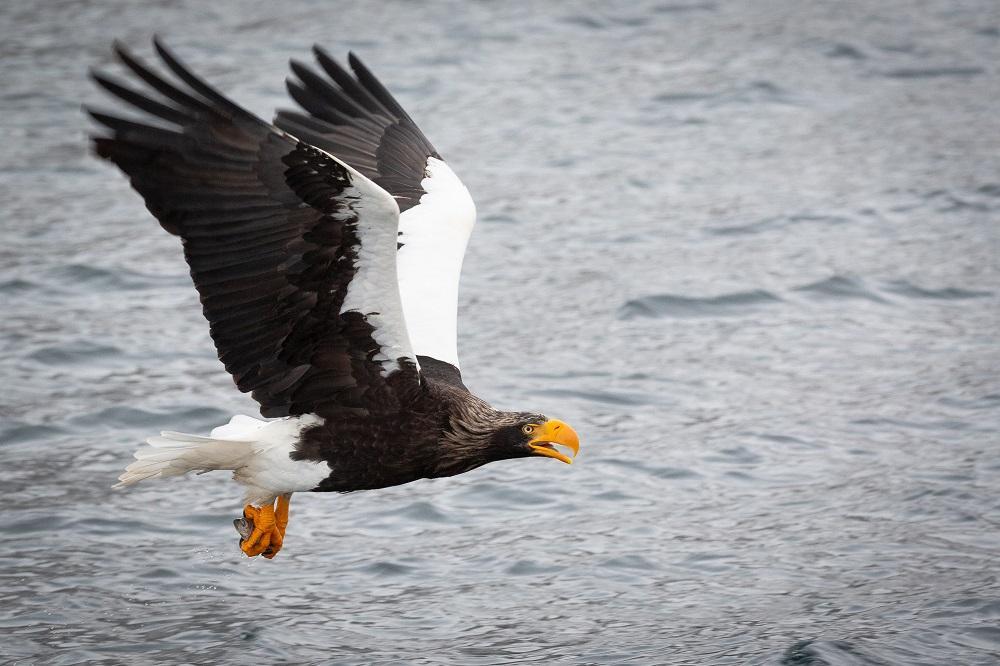
The Steller's sea eagle (Haliaeetus pelagicus) is a bird which can be found along lake and river shores in Japan, Korea, China, Taiwan and parts of Russia. This bird of prey is characterized by its black plumage with stripes on the chest, head and back. Its feathers and part of its legs are, however, white in color.
The Steller’s sea eagle has scales on its legs and powerful claws. Its feet are well suited to gripping prey, while the scales help protect them.
Fun fact: Steller’s sea eagles are the largest and heaviest of all sea eagles.

9. Pineapplefish
The pineapplefish (Cleidopus gloriamaris) is an incredibly unique fish that lives in the waters surrounding Australia and its insular territories. Pineapplefish scales are large, hard and sharp at the tip, showing strong visual similarities to a pineapple. Their striking pattern makes this fish easy to recognize. See a photo of this beautiful scaly fish below.
Fun fact: pineapple fish are supposedly relatively bad swimmers.

10. Moths
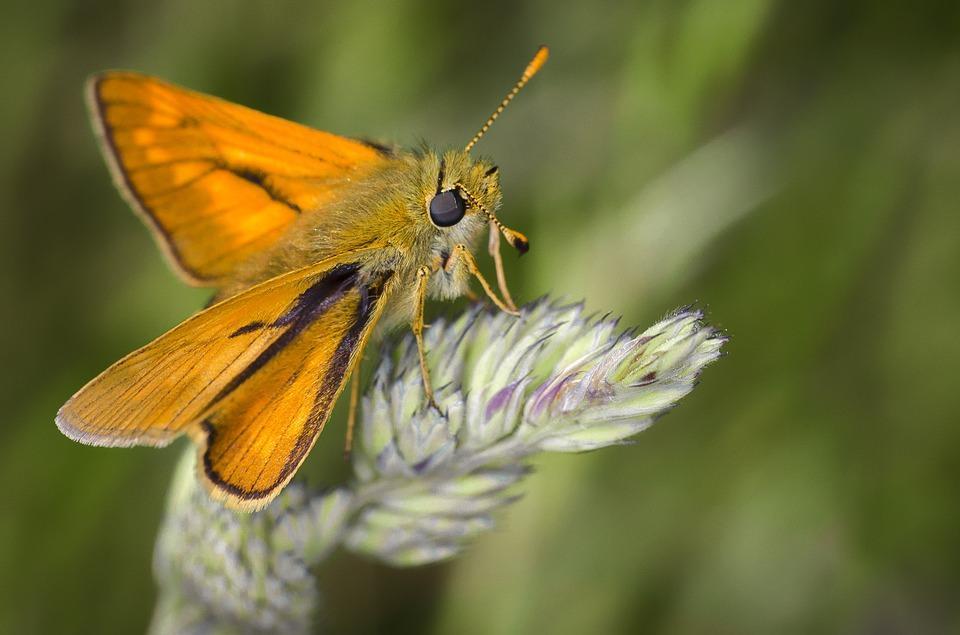
Last on our list of examples of animals with scales, we have the moth, commonly visible at nighttime. Moths are distributed in cities all over the world. Like butterflies, they have tiny scales on their wings which are flexible and fragile. These scales give them their characteristic color and, at the same time, allow them to regulate their body temperature in order to survive. The patterns and colors can vary widely between species.
Fun fact: moths lay between 40 and 1,000 eggs in one lifetime.

If you want to read similar articles to Animals With Scales - Full List, we recommend you visit our Facts about the animal kingdom category.
- Butterfly Anatomy (American Museum of Natural History)
- Manidae (pangolins) (Animal Diversity Web)
- Proctor, N.S.. & Lynch, P.J. (1993). Manual of ornithology: avian structure and function. Yale Univ. Press, New Haven.
- Peter R. (2000). The integumentary morphology of modern birds—An overview. American Zoologist, 40(4), 461-477.
- Scoble, M. J. (1995). The lepidoptera, form, function and diversity. London: The Natural history Museum & Oxford University Press.
- Wing, L. W. (1956). Natural history of birds. The Ronald Press Company.
- Martin, S. (2007). Global diversity of crocodiles (Crocodilia, Reptilia) in freshwater. Hydrobiologia, 595(1), 587-591.
- “Steller´s sea-eagle”. The IUCN Red List of Threatenes Species. Retrieved from: https://www.iucnredlist.org/es/species/22695147/93492859#taxonomy