Most Solitary Animals in the World

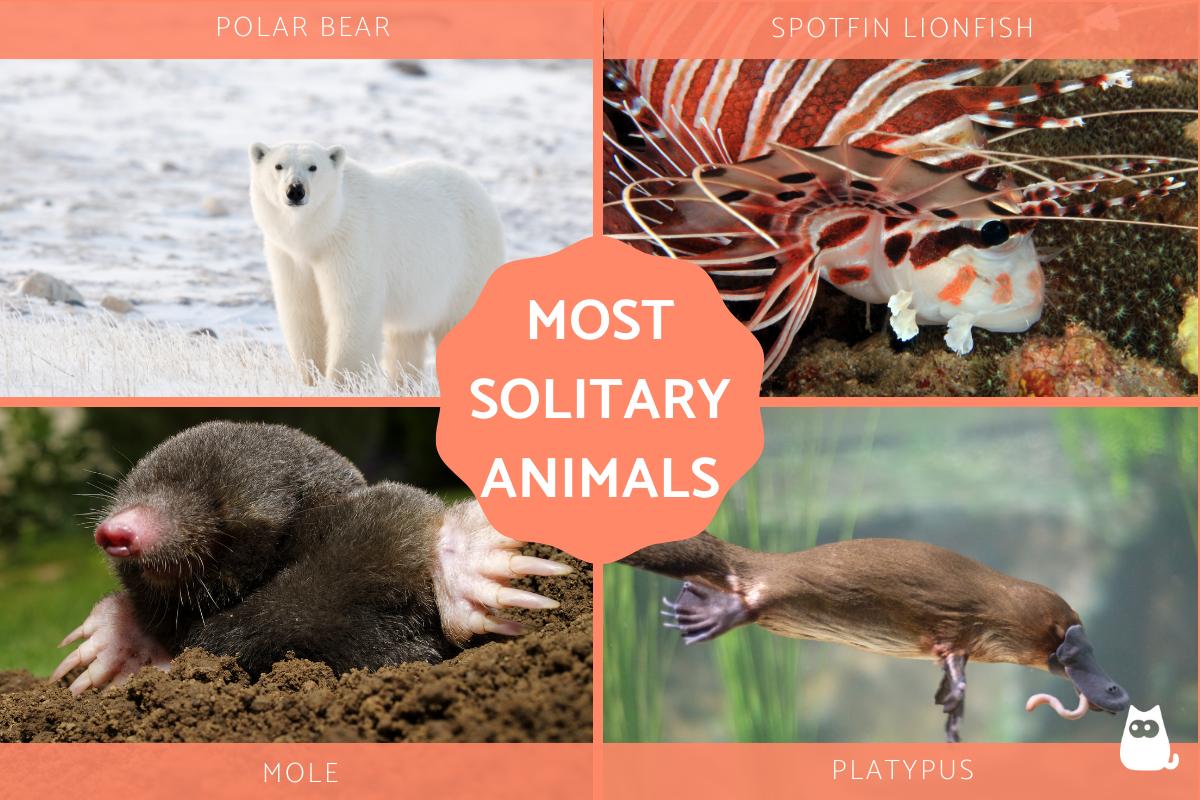
Animals that are solitary are those which have minimal interaction with other members of their species. This is in comparison to gregarious animals which live in social groups, although the size of these groups can vary greatly. Living in groups allows animals to pool resources to find food and provide greater protection against potential predators. Solitary animals do not rely on others for their individual survival. They find their own food, shelter and other needs. For this reason, the most solitary creatures tend to be predatory animals. It is important to note that even the most solitary animal will need to interact with other members of their species for reproduction.
At AnimalWised, we share the 10 most solitary animals in the world. We discover how they are able to survive without living in social groups and what benefits they might have for being on their own.
Bears
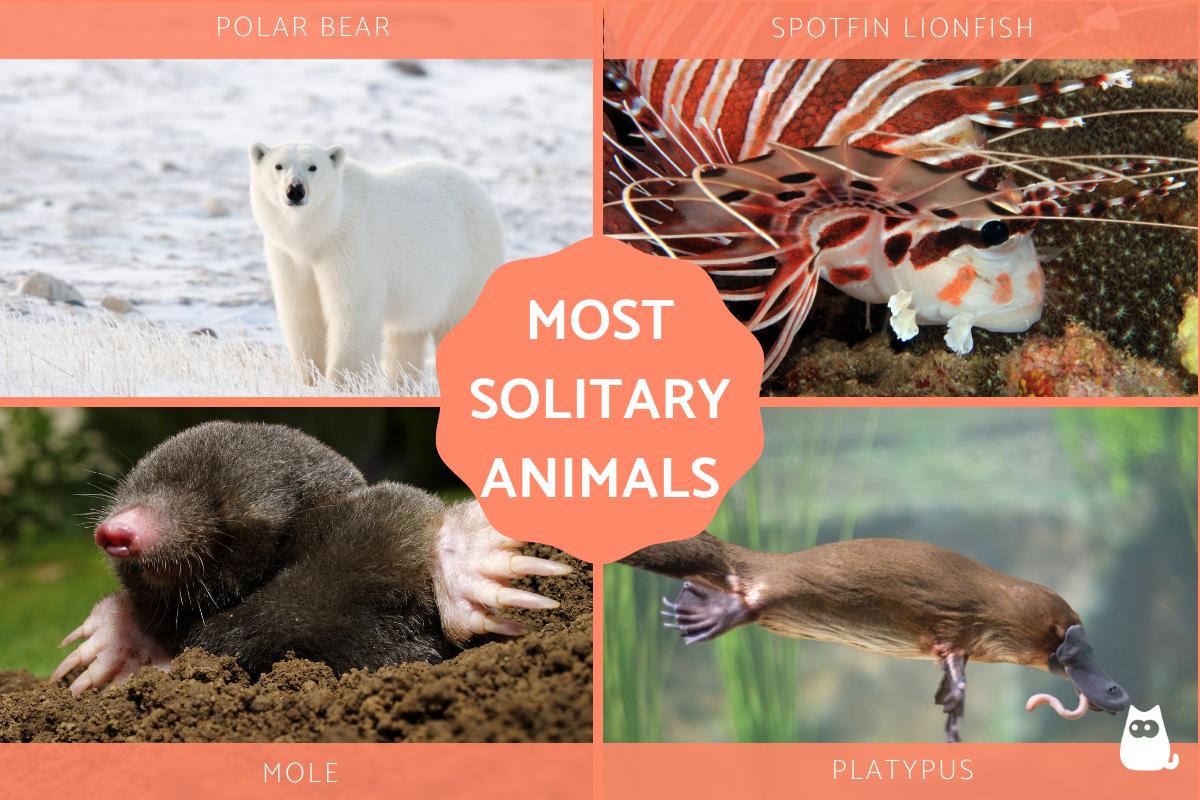
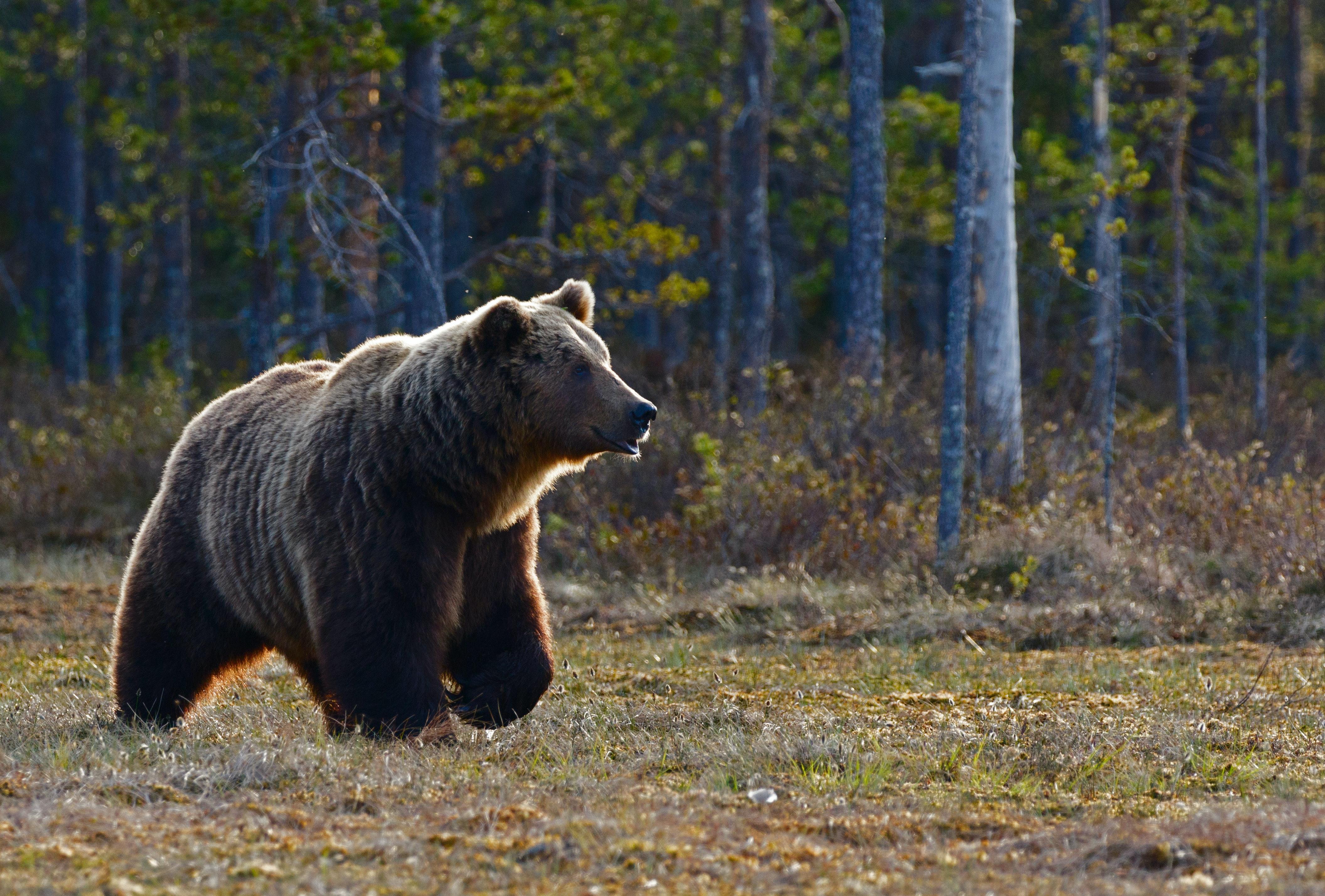
From the polar bear to the grizzly bear, all bears like to live alone. It is in the nature of bears to be solitary animals, and most of the various bear species do not live in groups. The reason they are such solitary creatures is partly because they are very territorial. They have the ability to feed on almost any other animal, so they don't require a pack to help them hunt. Their home ranges can be large, and the availability of food often affects how far they travel while searching for a meal.
Despite their solitary nature, bears do not spend all their lives alone. They meet other bears in order to reproduce. Once this happens, mothers spend quite a lot of time with their young and can be very protective. Males will not hang around after reproduction. As a general rule, however, bears are the most solitary carnivores in the world.
For more facts about bears, we share an article on how polar bears survive the cold of the Arctic and another on the most dangerous animals in India, which includes the Asian black bear of the Himalayas.

Black rhinoceros
Rhinos are not known for their tolerance towards other animals. Their patience is limited and they have a somewhat surly character which makes them rather antisocial.
While female white rhinos don't mind spending time together, bulls of the white rhino species are solitary. Both male and female black rhinoceros generally prefer to stay alone. All the energy saved by being alone is spent when the time comes to mate. Male black rhinos gather together only to court a female during breeding season.
While they can be considered one of the most solitary animals in the world, it is true that black rhinoceros can spend time and bond with others. They get along better if they are of different ages, as they don't see each other as a threat. Besides, the black rhinoceros is not particularly territorial. Even so, their tendency to keep apart means that encounters are often brief, except when they are courting or caring for young.

Platypus
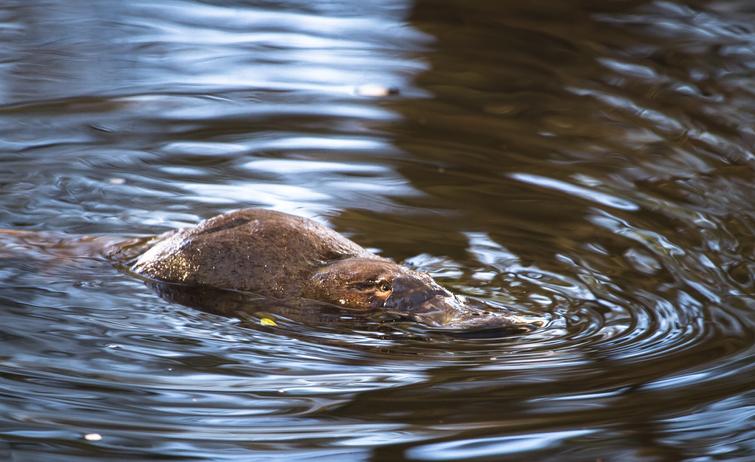
The platypus is a semi-aquatic animal native to Australia. It is known for its unusual physical appearance, with a flat horny bill, webbed feet like a duck and paddle-shaped tail much like a beaver's. Although the platypus lays eggs, it is a monotreme, a rare type of mammal that lays eggs.
Platypuses are solitary animals for most of their lives, although on occasion they can be seen in pairs. They usually forage alone, searching underwater for small prey with the help of their sensitive bills. Mothers stay with their young for some months. If you're interested in learning more about these strange reclusive animals, here is an article on 10 facts about the platypus.

Skunks
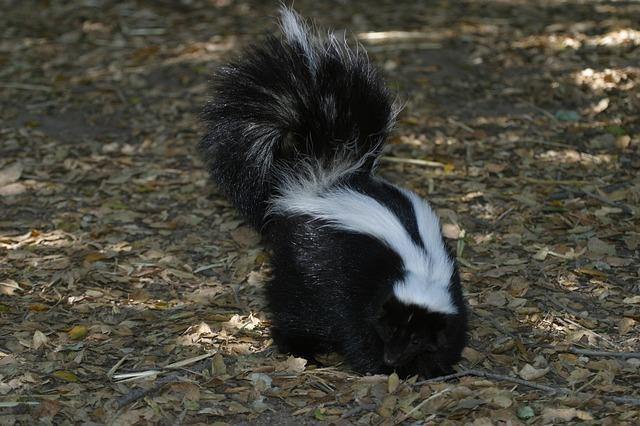
There are different species of skunks, all of which are mostly solitary. When they feel threatened, nervous or attacked, skunks release a very strong odor that repels any creature within a few meters. For the sake of other animals, even from the same family, skunks prefer to go through life as free, independent creatures. This potent scent is a defense that can help them ward off a threat without having to fight.
However, in colder climates skunks may share dens, especially among females. Male skunks mate with more than one female, but they don't live together after they do so. When they have descendants, female skunks stay with their kits for a year and are very protective of them. After this time, the kits will leave and spend more time on their own.

Leopards
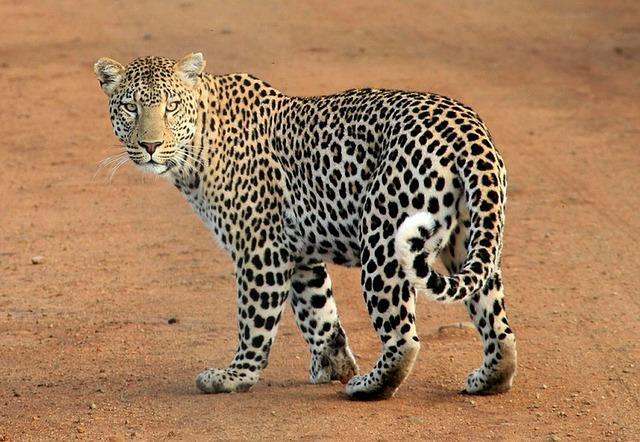
Among the animals that are solitary, leopards have a reputation of being kings of the jungle, forest and savanna. Known for their beauty and elegance, these big cats are solitary, something which is not the case with all big cat species. They only meet with other members of their species when they are mating or while raising their young. Their spotted coats help them blend into many of the habitats where they hunt.
The rest of the time, both male and female leopards enjoy their quiet ‘single’ status without owing anything to anyone. After all, unlike many other big cats, leopards don't need a pack to hunt successfully. This is one of the many reasons, for example, why snow leopards are endangered.

Moles
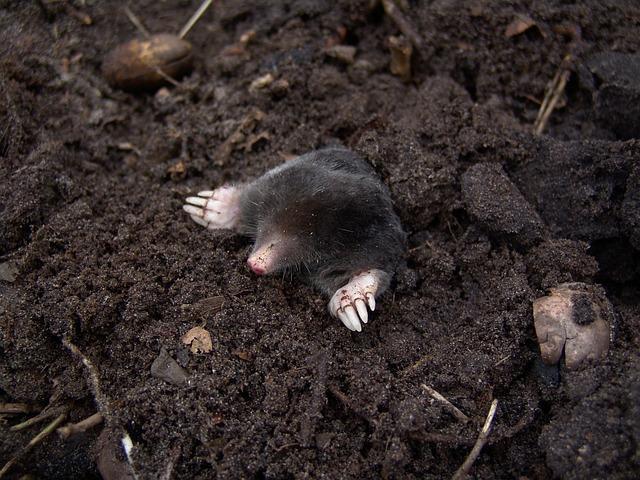
Moles are among the most reclusive and solitary animals in the world, an unusual group of underground dwellers. Moles dig networks of tunnels to make their homes in the ground, and they don't like sharing the space that has taken such an effort to make. These tunnels also give them a sheltered route as they search for food beneath the soil.
Moles spend most of the time alone in their tunnels where there is never room for more than one mole. In fact, they are rarely seen above the surface. They avoid meeting other moles, and when their territories overlap they may end up fighting.

Koalas
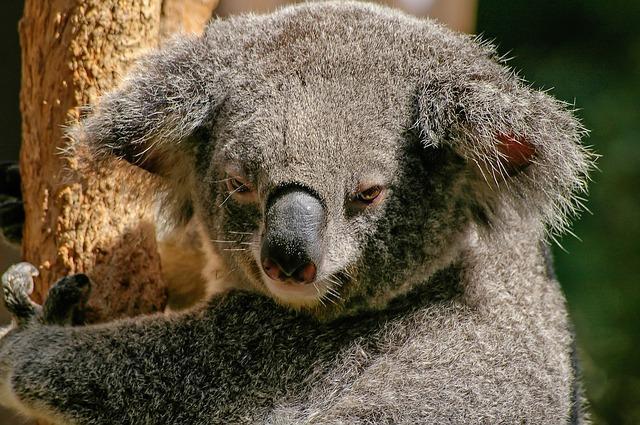
Koalas are naturally solitary animals. Despite their adorable appearance, they appreciate tranquility and will attack if they feel threatened. Above all, koalas love having their me-time in which to rest and enjoy the quiet. They will always choose to approach and hug a tree instead of another koala. Much of their time is spent resting, which helps them conserve energy while they digest their eucalyptus diet.
Although gentle, individual koalas have well-established territories. These areas are usually highly respected. When they are young, koalas can be seen mounted on their mother's back. However, they are soon off to fend for themselves, and live the life of solitary freedom. Read more in our article about where koalas live.
Female koalas usually stay in one territory, while male koalas tend to travel. There may be exceptions for some dominant, larger males. If they cross paths, male koalas may get into fights, chasing and biting each other until one backs down.

Sloths
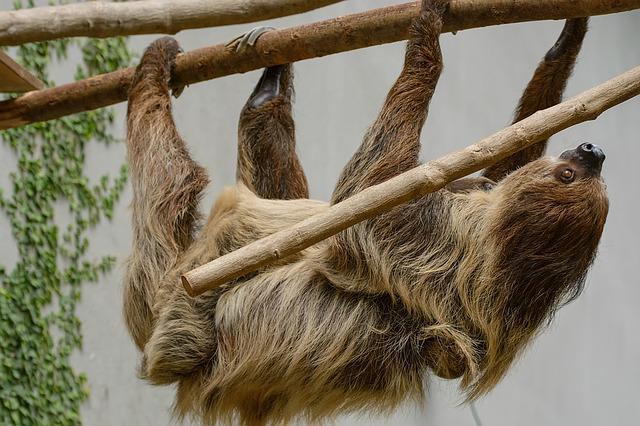
Another arboreal animal that is solitary, sloths are known for their incredibly slow movement. They only gather in groups when they are going to mate. Sloths prefer swinging and hanging from a branch alone, perhaps meditating on the meaning of life and the universe, happy in their own company. Their slow pace and time spent high in the trees make it easy for them to go about their daily lives without much contact with others.
As we have stated, sloths are known for being extremely slow. Some of the others on this list of the 10 slowest animals in the world will come as a complete surprise.

Wolverine
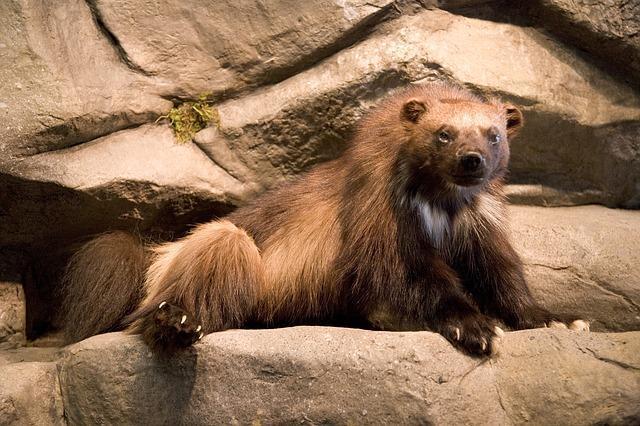
Wolverines are very strange and solitary mammals. They look like a cross between a bear and a dog, but are actually mustelids, part of the weasel family. They not only prefer to live alone, but actively chase away any creature that comes near them. Individual wolverines are known to occupy large territories and defend them tooth and nail, gaining a reputation among the most aggressive animals in the world. They may hunt for food or scavenge, depending on what is available in their surroundings.
It is no wonder that wolverines have chosen the vast, wild forests of Canada and Alaska as their home. This gives them plenty of space in which to roam alone with fewer chances of coming across unwanted company. We could almost give them the top spot among these 10 most solitary animals in the world.

Spotfin lionfish
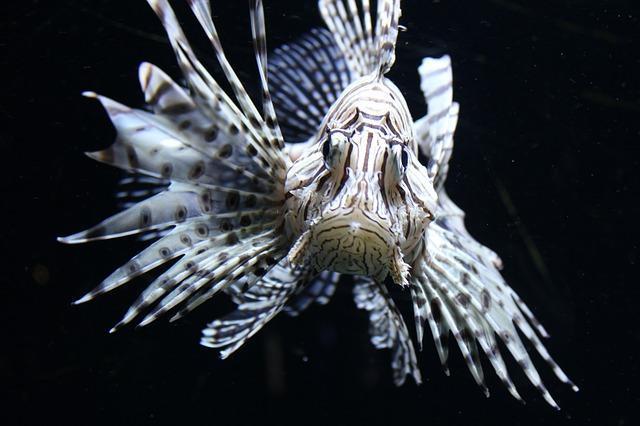
The spotfin lionfish has no choice but to be a solitary marine animal. These fish are as beautiful and fascinating as they are venomous, and we suspect they evolved that characteristic in order to be left alone. Additionally, these lionfish never go out during the day, preferring to stay hidden in the dark depths of the sea. Their striking colors and long fins make them easy to recognize, even when they are keeping out of sight.
The dorsal fins of the lionfish are loaded with a powerful venom. They are willing to attack when in the presence of a predator or other invasive lionfish that may wander into their territory.
Do you want to find out more about poisonous animals? Check out our article on the 10 most venomous animals in the world and find out all you need to know.

If you want to read similar articles to Most Solitary Animals in the World, we recommend you visit our Facts about the animal kingdom category.
- Ursidae (bears) | INFORMATION (Animal Diversity Web, University of Michigan Museum of Zoology)
- Featured Creature: Clouded Leopard (Smithsonian's National Zoo and Conservation Biology Institute)