
Facts about the animal kingdom of Wildlife
292 articles

Yes, it may be true that Australia is home to the highest amount of dangerous animals in the World, though not all of them are deadly. Though it is in fact the country with the most dangerous species, we do have to take into account that the area of Australia is much bigger than many countries and that...

The Eurasian wolf's scientific name is Canis lupus lupus, as it is a subspecies of the gray wolf. Other names for this variety include common wolf, Carpathian wolf, European wolf, steppes wolf, Chinese wolf, and Tibetan wolf.
What is the habitat of the Eurasian wolf? Can it be found in your country?...

If you're wondering whether bats are dangerous to humans or pets, you should know that the short answer to that question is “not if they are left alone.” While it is true that most cases of rabies being transmitted are due to bats, and there is a health liability, a bat that bites you may or may not...
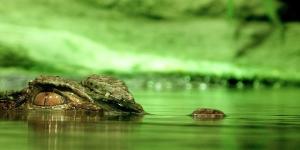
Many people believe the terms alligator and crocodile are synonyms, but they are not the same animal. They do have significant similarities that clearly distinguish them from other reptiles: They are really fast in the water, they have very sharp teeth and extremely powerful jaws, and they are very...
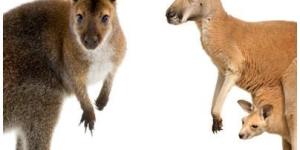
Both the wallaby and the kangaroo are Australian marsupials: after a short period of gestation in the womb, their young complete their development in their mother's abdominal pouch. They cling to the mammary glands for about 9 months until they can venture out of the pouch, with the little ones only returning...

Giant pandas (Ailuropoda melanoleuca) are big and beautiful mammals that on average weigh between 100 and 115 kilograms, that is, 220 to 255 pounds - although they can get bigger. Being omnivorous animals, they can feed on any organic substance, plant or animal - although bamboo is by far their favorite.
This...
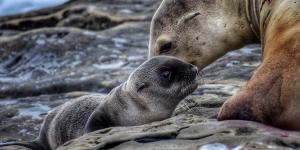
Seals are semi-aquatic mammals, spending some of their time on land and some of their time in the water. They spend time in each environment for different reasons, all related to necessary elements of their survival. This includes both the individual and their species. Seal reproduction is one of the...
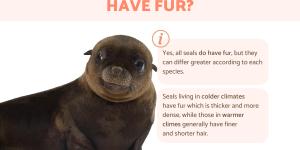
When we see images of seals, their bodies looks sleek, shiny and slippery. As aquatic animals, it appears as if they might have skin which is similar to other mammals of the sea such as the dolphin. This leads AnimalWised to ask does a seal have fur?
While it is not the same as all other mammals, seals...

Sharks have been a dominant force in marine ecosystems for over 400 million years. Originating in the Paleozoic Era, these resilient predators survived multiple mass extinctions, evolving into a spectacular variety of prehistoric forms. Among them were ancient sharks with incredible adaptations for hunting...
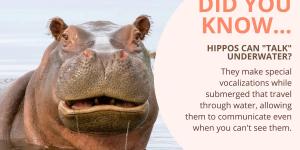
Did you know hippos are one of the most dangerous animals in Africa despite their cuddly appearance? These massive, water-loving mammals are full of surprises. These mammals are more than river-dwellers with impressive yawns. Hippopotamuses shape entire ecosystems through their daily activities. Despite...
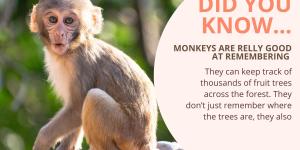
Most people picture monkeys swinging through trees and munching on bananas. It is a fun image, and sometimes true, but there is much more to them. These animals are smart, social, and full of surprises. They solve problems, build strong group bonds, and adapt to all kinds of environments. Monkeys aren’t...

The polar bear (Ursus maritimus) are apex predators in their ecosystem and considered to be one of the deadliest carnivores in the world. Not only deadly to their prey animals, polar bears provide a serious risk to humans. This risk has been intensified in recent years thanks to global warming. Bears...
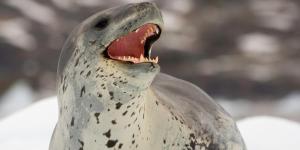
The leopard seal (Hydrurga leptonyx) is well adapted to its habitat, living both on land and sea. It has adapted limbs known as flippers which allow the animal to both swim gracefully in the water and walk not so gracefully on land. Their powerful jaws make them adept hunters, catching fish, cephalopods,...

Seals are aquatic mammals that live in both marine and freshwater environments. To survive in the water, they have various evolutionary adaptations to make them adept swimmers. One of the most obvious is their flippers. While some may wonder if seals have paws, the answer is not any more. Seals are also known...

Zebras may look like striped horses, but there’s a lot more to them than meets the eye. These horse relatives have evolved adaptations that help them survive in environments with predators and changing conditions. From their digestive systems to their social structures, zebras showcase effective survival...
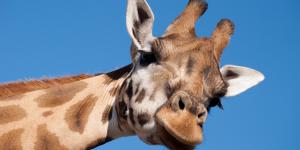
The giraffe, the tallest land mammals on Earth, has a life influenced by its environment and unique adaptations. They are born after falling almost 2 meters to the ground and grow to a height of up to 5.5 meters (18 feet), going through interesting changes as they develop. The big difference in lifespan...
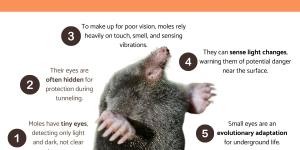
When you picture life underground, moles are likely one of the first animals that come to mind. Their unique, shovel-like paws and extensive burrowing habits are certainly memorable. A common question, however, is whether these subterranean mammals are truly blind. While many people believe moles are...
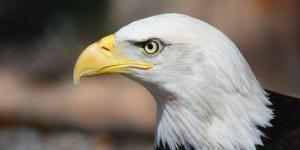
Eagles are among the most powerful birds of prey. With their massive wingspans, razor-sharp talons, and keen intelligence, these birds dominate the skies and serve as top predators in many ecosystems. But what exactly makes eagles so unique? From their legendary eyesight that allows them to spot prey from...
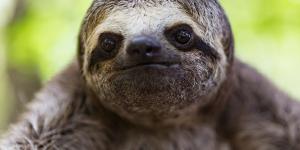
Hanging upside down in the canopies of Central and South American rainforests, the sloth has earned its reputation as nature's chilliest mammal. These creatures move at an average pace of just 0.15 miles per hour, making them the undisputed champions of slowness in the animal kingdom. To put this in perspective,...

These majestic animals captivate us with their incredible intelligence, strong family bonds, and complex social lives. But have you ever wondered how elephants create new life? Elephants truly stand out in the animal kingdom when it comes to reproduction. These giants take everything at their own pace, from...

Canids are a diverse family of carnivorous mammals that have adapted to various different habitats on almost every continent. Within the family known as Canidae, there are well-known species. The one with which we have most interaction is the domestic dog, but wolves, foxes, jackals and coyotes are all...
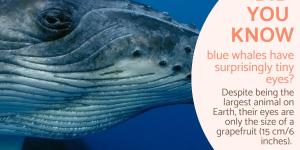
Imagine an animal larger than a jumbo jet, with a heart so massive you could swim through its arteries, that's the blue whale. Narrowing down just 10 fascinating facts about these ocean giants was no easy task because everything about them is extraordinary. They are extraordinary not only because of their...

The jaguar (Panthera onca), the largest wild cat in the Americas and the third largest in the world, is a key apex predator. It plays a vital role in maintaining the balance of ecosystems across its range, which spans from the southwestern United States to northern Argentina. Modern genetic research identifies...
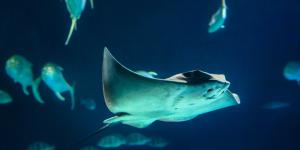
Manta rays are gentle giants, with distinctive fins and impressive size, have a fascinating reproductive process. Unlike egg-laying fish, manta rays give birth to live young, a sophisticated strategy. This journey, from conception to birth, exemplifies marine reproduction, involving complex courtship, internal...

The term ‘panther’ is not always a strict scientific term. While it is used to describe the big cat species which encompass the genus Panthera, it is also used to cover animals with similar characteristics such as certain types of cougar. There are also significant types of panther which are classified...
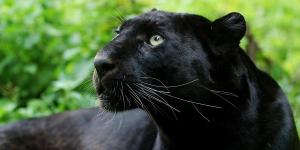
Black panthers are animals which are culturally important worldwide. Symbols of strength, power and pride, many of us have a clear image of this big cat. Despite this, it might be difficult for some of us to answer what animal is a black panther?
The first thing to know is that a black panther is not...
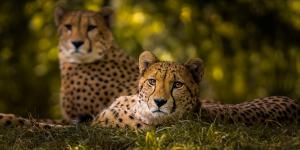
The survival of the cheetah, the world's fastest land animal, depends critically on successful reproduction. These large felines encounter unique reproductive hurdles, such as locating partners in divided habitats and nurturing their young in the unforgiving African wild. The reproduction of cheetahs is especially...

You will be forgiven for thinking there is only one kind of cheetah (Acinonyx jubatus). This iconic feline is a big cat species known for its incredible speed and adaptability to various habitats. While it is true there is only one species of this animal, there are different cheetah types known as subspecies....
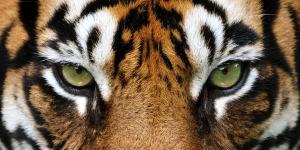
Tigers (Panthera tigris) are among nature's most studied predators, yet their hunting behavior continues to reveal new insights. These solitary hunters succeed through a combination of stealth, strength, and strategy rather than speed or group tactics. From the mangrove swamps of the Sundarbans to the taiga...

What do a moose, an eland, and a white-tailed deer have in common? Some are closely related, while others belong to different families but share physical traits. The order Artiodactyla includes a variety of even-toed ungulates, such as the deer family (Cervidae). However, other families in this order, like...
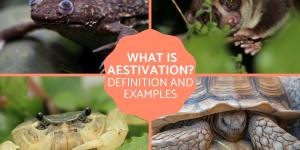
When environmental conditions become challenging due to heat and drought, many animals have evolved a remarkable survival strategy called aestivation. This state of dormancy, while less well-known than hibernation, plays a crucial role in helping various species survive periods of environmental stress. From small...
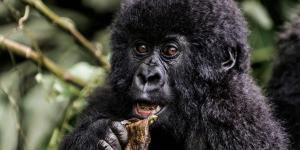
Gorillas are the largest primates on Earth. However, despite their impressive build, gorillas maintain their mass on a diet that consists mainly of plants. Only small insects like ants and termites add animal protein to their plant-based diet. Understanding what gorillas eat helps explain how they survive...
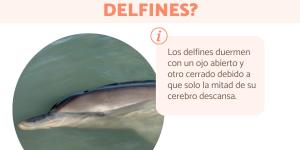
As aquatic mammals, dolphins do not have gills for breathing under water. Like their fellow cetaceans whales and porpoises, they have to breach the water to breath oxygen in their lungs. For this reason, they need to live in the upper part of the world's oceans, running out of oxygen if they swim too deep...

Whale life expectancy will differ according to species, but all are subject to similar threats in the wild. Size plays an important role, since smaller whales tend to be more vulnerable to predators. One threat which can reduce the whale lifespan of any species is human activity. Whale hunting is a direct...

Do whales sleep? Yes, whales do sleep, but they sleep differently from humans and other land mammals. While you drift into a deep unconscious state during sleep, whales must stay partially alert to breathe and stay safe in the ocean. Most whales use a method called unihemispheric sleep, where one half...
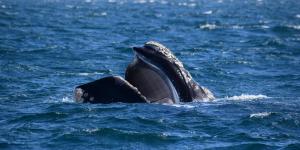
The ocean is home to a great diversity of plants and animal life. Among this variety, we find whales. Whales are widely known because of their impressive size but, actually, they have lots of amazing qualities and are more similar to humans than you might expect. Not only do whales nurse their babies,...
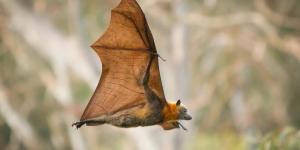
Bats are unique in the animal kingdom as the only mammals that are capable of true flight. Another rare mammalian ability is the use of echolocation to orient themselves within their environment. This allows for precision hunting, especially since many are insectivores. The use of echolocation can help bats...

Also known as killer whales, orcas (Orcinus orca) are one of the world's most effective and versatile predators. Although they are marine mammals and cannot walk on land, they are even known to manipulate animals from terrestrial areas into the sea for hunting. Their great intelligence and hunting prowess...

These gentle giants inhabit a variety of marine environments across the globe, from tropical coastal waters to the vast open ocean. These fish need specific conditions to thrive: temperatures above 20°C, abundant plankton for food, and clean waters for survival. Their choice of habitat shapes everything...
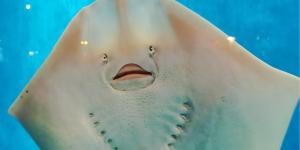
Manta rays eat tiny sea life by filtering thousands of liters of water through their gills each hour. These massive fish, which can span up to 7 meters (circa 22ft) wide, live entirely on microscopic plankton and small marine creatures. Their diet sets them apart from other large ocean animals, as they...

Stingrays are a type of cartilaginous fish from the suborder Myliobatoidei. They are known for their flattened bodies which undulate through the water in a different way to most bony fish. As their name implies, they have a stinger on their tail which can be very dangerous. Despite all having a stinger,...
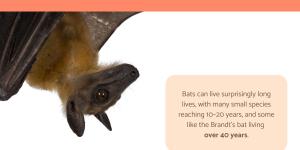
When we think of small animals, we often expect short lifespans, but bats are an exceptional case. Many species of bats, despite their tiny size, can live remarkably long lives, sometimes reaching several decades. This longevity has fascinated scientists, leading to studies on why bats age so slowly...
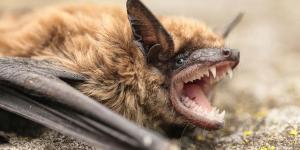
Bats usually avoid people, but they may bite if they feel scared, unwell, or are handled. While the risk of a bat bite is low, it’s good to know what to watch for and how to stay safe. Here, you’ll learn what to do if you encounter a bat, understand the risks of bites (like rabies), and get simple tips...
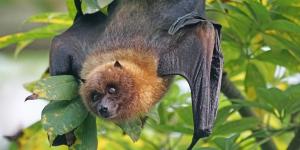
Bats have always been a bit of a mystery, often thought of as completely blind animals that rely only on their sharp hearing to get around in the dark. Phrases like “blind as a bat” make us believe they can’t see at all, but this isn’t true! Most bats can see, and some even have excellent night vision.
This...
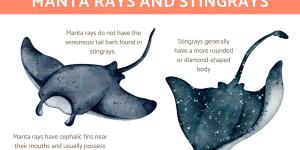
Despite being very differently shaped to most others, rays are a type of fish. Their flat body appears as if it is all fin, a morphology partially afforded by the fact they are cartilaginous. Having a boneless body with tough, but malleable cartilage allows them to move in a way other fish don't. While they...

Although stingrays are generally calm creatures, they do possess venomous barbs that contribute to their reputation for being dangerous. Encounters with stingrays are rarely fatal, but it's understandable to wonder about the risks of encountering them in open water.
In this AnimalWised article, we examine...

In the animal kingdom, one of the most fascinating distinctions lies in how different species regulate their body temperature. Endothermic and ectothermic animals represent two contrasting strategies for maintaining internal conditions, each with its own set of advantages and challenges. Endothermic animals,...
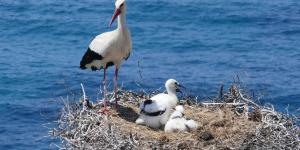
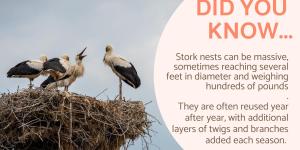
A stork nest is simply called a nest. Unlike eagles and other birds of prey which have a specific term for their nest (eyrie), a stork nest does not have a special name. This does not mean that stork nests are ordinary or unremarkable. Far from it, storks have one of the most fascinating nests in all...
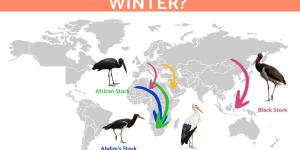
Every year, as the days grow shorter and temperatures begin to drop, one of nature's most fascinating events takes place: the migration of storks. These large, majestic birds embark on an incredible journey, traveling thousands of kilometers to escape the winter chill and find warmer climates. But where exactly...
Storks are more than just the birds of folklore known for delivering babies—they are fascinating creatures with a rich history in both nature and culture. Known for their long legs and graceful flight, storks exhibit remarkable behaviors and traits that make them unique in the animal kingdom.
In this...